
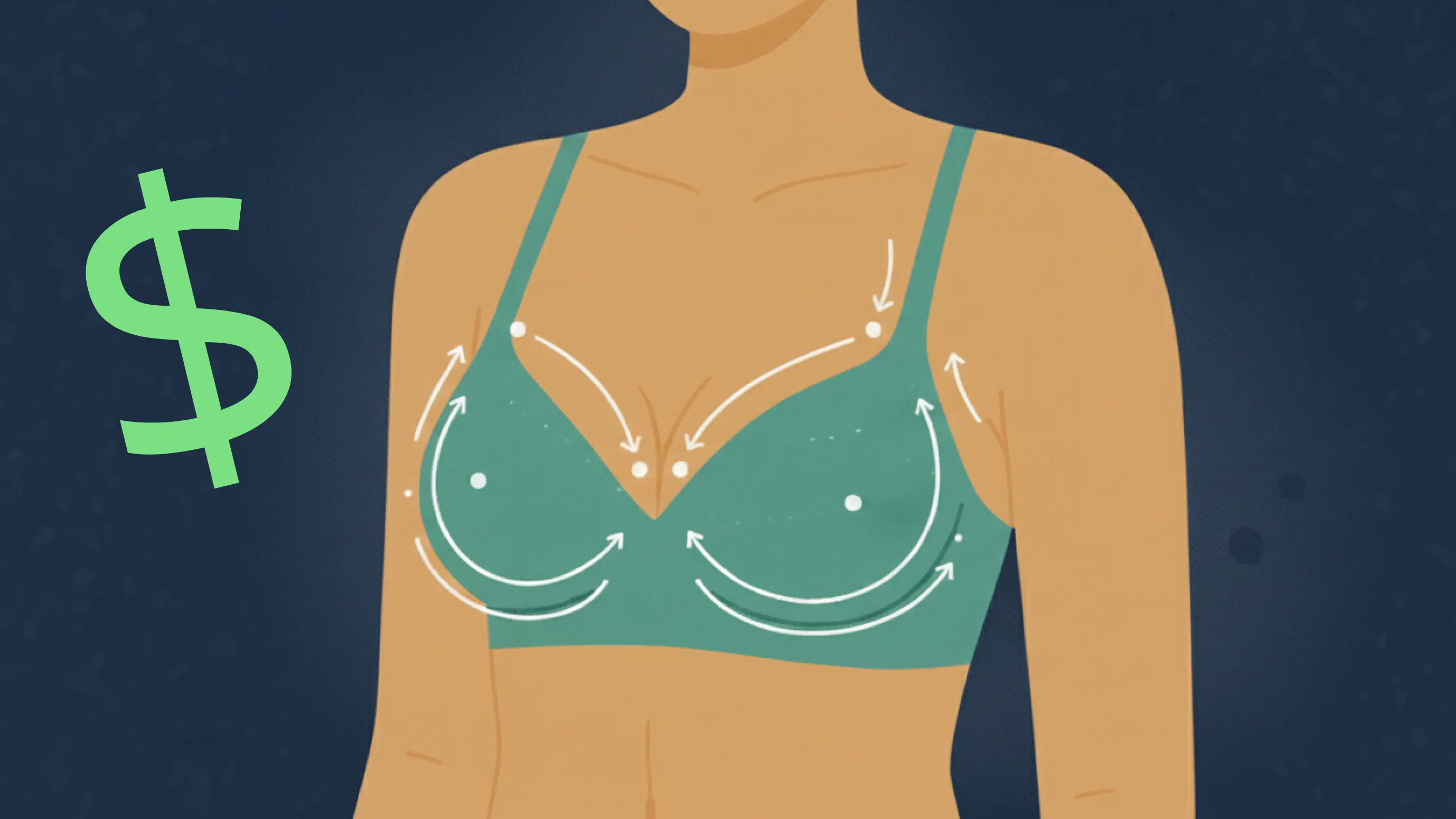
Quick Answer: Insurance usually doesn’t cover breast lifts because they’re considered cosmetic. But there are rare cases where insurance might pay if you can prove the surgery is medically necessary.
If you’re thinking about getting a breast lift, one of your first questions is probably about the cost. Can your insurance help pay for it? The answer isn’t simple, but this guide will walk you through everything you need to know.
The Short Answer: Probably Not
Most insurance companies consider breast lift surgery cosmetic, which means they won’t cover it. Insurance typically only pays for procedures that are medically necessary, not ones that improve your appearance.
A breast lift (also called mastopexy) is designed to make your breasts look firmer and higher. Since this is about how you look rather than your health, insurance companies put it in the cosmetic category.
What Does “Cosmetic” Actually Mean?
Insurance companies split procedures into two groups:
- Cosmetic: Surgery you want to look better. Insurance won’t pay.
- Medically necessary: Surgery you need because of health problems. Insurance might pay.
The problem is that sometimes the line between these two gets blurry. That’s where things get interesting.
When Insurance Might Actually Cover a Breast Lift
There are some situations where your breast lift might qualify as medically necessary, which means your insurance could help pay for it. But you’ll need to prove your case with solid medical evidence.
Medical Conditions That Could Qualify
If you have chronic skin irritation under your breasts, deep grooves in your shoulders from bra straps, or can’t do physical activities because of your breast size, these could make a breast lift medically necessary. Here are the conditions insurance companies might accept:
| Medical Problem | What This Means | Documentation Needed |
| Chronic Back or Neck Pain | Pain that lasts for months and doesn’t improve with physical therapy | Doctor’s notes, physical therapy records, X-rays or MRI results |
| Skin Rashes or Infections | Repeated rashes, fungal infections, or sores under the breasts | Photos, dermatologist records, prescription history |
| Shoulder Grooving | Deep indentations in shoulders from bra straps | Photos, measurements, doctor’s examination notes |
| Severe Ptosis | Breasts that hang very low and cause health issues | Medical exam showing specific measurements |
| Posture Problems | Difficulty standing straight because of breast weight | Physical therapy notes, spine specialist evaluation |
Special Cases That Might Get Coverage
Most health insurance policies in 2024 and 2025 do cover breast procedures when they happen after a mastectomy because of breast cancer or other medical conditions. These situations are different from regular breast lifts:
- After breast cancer: Reconstruction after a mastectomy is usually covered by law
- After major weight loss: If you had bariatric surgery and lost a lot of weight, some insurance companies might cover skin removal
- Birth defects: If your breasts didn’t develop normally, insurance might help
- Injury repair: If an accident damaged your breasts, coverage is more likely
How to Get Insurance to Cover Your Breast Lift
If you think you might qualify for coverage, here’s what you need to do. Be prepared—this process takes time and patience.
Step 1: Document Your Medical Problems
Start keeping detailed records right away:
- Write down every time you have pain, rashes, or other symptoms
- Take clear photos showing any skin problems or physical issues
- Keep all receipts for treatments, medicines, and doctor visits
- Get your doctor to write detailed notes about your symptoms
Step 2: Try Other Treatments First
Insurance companies want proof that you’ve tried everything else before surgery. You’ll need to show you’ve done things like:
- Physical therapy for several months
- Special bras or support garments
- Pain medication
- Creams or treatments for skin problems
- Weight loss (if recommended by your doctor)
Keep records of all these treatments and why they didn’t solve your problems.
Step 3: Get Your Doctor’s Support
Your doctor needs to write a letter explaining why you need surgery. This letter should include:
- A clear description of your medical problems
- How long you’ve had these issues
- What treatments you’ve tried
- Why those treatments didn’t work
- Why surgery is the only option left
- Specific measurements or test results
Step 4: Check Your Insurance Policy
Before you do anything else, read your insurance policy carefully. Look for:
- Sections about cosmetic surgery
- Requirements for pre-authorization
- Specific criteria for breast surgery
- Any exclusions that might apply
Call your insurance company and ask specific questions. Write down the name of every person you talk to and what they tell you.
Step 5: Submit a Pre-Authorization Request
Don’t schedule surgery until you get written approval. Your doctor’s office can help submit a pre-authorization request that includes:
- Your doctor’s letter of medical necessity
- All your medical records related to your breast problems
- Photos documenting your condition
- Records of treatments you’ve tried
- Any relevant test results
Step 6: Be Ready to Appeal
Most insurance companies deny breast lift requests the first time. Don’t give up. You have the right to appeal, and many people win on appeal. When appealing:
- Ask why they denied your request
- Get more documentation from your doctor
- Include letters from specialists
- Point out any mistakes in their decision
- Follow their appeal process exactly
What If Insurance Won’t Cover It?
For cosmetic procedures, patients typically pay 100% of the cost out of pocket. Here’s what you need to know about paying yourself.
Total Cost Breakdown
According to the American Society of Plastic Surgeons, the average breast lift costs around $5,800 to $8,287 in the United States, but this can range from $3,800 to $17,000 depending on your location and other factors.
Warning: Be careful with medical financing. Read all the terms carefully. Some “no interest” plans charge huge interest rates if you don’t pay off the full balance by a certain date.
Questions to Ask Your Insurance Company
When you call your insurance provider, ask these specific questions and take notes:
- Does my policy cover breast lift surgery under any circumstances?
- What documentation do you need to consider coverage?
- Do you require pre-authorization before scheduling surgery?
- How long does the authorization process usually take?
- If you approve coverage, what percentage will you pay?
- What is my deductible and out-of-pocket maximum?
- Do I need to use in-network surgeons?
- What happens if you deny my request? What’s the appeal process?
- Are there specific criteria I need to meet?
- Can you send me this information in writing?
Questions to Ask Your Surgeon
Your plastic surgeon’s office should have experience dealing with insurance. Ask them:
- Have you successfully gotten insurance approval for breast lifts before?
- Will you help me submit the pre-authorization request?
- What documentation do I need to provide?
- If insurance denies coverage, what’s the total out-of-pocket cost?
- Do you offer payment plans?
- What happens if insurance approves the surgery but then refuses to pay after the procedure?
- Are there ways to combine my breast lift with a reduction to improve chances of coverage?
Red Flags and Scams to Watch Out For
Unfortunately, some people try to take advantage of patients looking for insurance coverage. Be careful if:
- A surgeon promises they can “guarantee” insurance will cover your cosmetic surgery
- Anyone suggests lying on insurance forms or exaggerating symptoms
- A doctor’s office wants full payment before submitting to insurance
- Someone tells you to say you have symptoms you don’t actually have
Insurance fraud is illegal and could get you in serious trouble. Always be honest on all forms and with all medical providers.
Real Talk: What Are Your Actual Chances?
Let’s be honest about the odds. If you’re looking for a breast lift purely for appearance, your chances of insurance coverage are close to zero.
If you have real medical problems caused by your breasts, you have a better shot—but it’s still an uphill battle. Your best chances are if:
- You have well-documented medical problems over several months or years
- You’ve tried multiple other treatments that didn’t work
- Your problems are severe and affect your daily life
- Your doctor strongly supports the medical necessity
- You’re willing to appeal if denied the first time
Even with all these factors, many insurance companies will still say no. Be prepared to pay out of pocket.
Our takeaway
Insurance coverage for breast lifts is rare but not impossible. Most of the time, you’ll need to pay for the surgery yourself. But if you have genuine medical problems caused by your breasts, it’s worth trying to get coverage.
Start by documenting everything, trying other treatments, and getting your doctor’s full support. Even if insurance denies you at first, the appeals process gives you another chance.
If you end up paying out of pocket, make sure you understand the full cost and have a solid plan to pay for it. Don’t go into debt you can’t handle for cosmetic surgery.
Whatever you decide, take your time. This is a big decision that affects your body and your wallet. Do your research, ask lots of questions, and choose what’s right for you.
Medical and Financial Disclaimer: This article provides general information only and should not replace advice from your doctor or insurance specialist. Insurance policies vary widely, and what applies to one person might not apply to you. Always check with your specific insurance company and talk to qualified medical professionals before making any decisions about surgery. This article does not constitute medical, financial, or insurance advice.
Sources and References
- Burbank Plastic Surgery. (2025). “Average Cost of A Breast Lift in 2024.”
- CareCredit. (2025). “Breast Lift Costs, Financing and Insurance Guide.” Retrieved from

We’re a team dedicated to providing clear, trusted, and easy-to-understand advice on breast lift procedures. From costs and recovery to risks and real experiences, our goal is to give you everything you need to make confident, informed decisions about your journey.